Case Studies

A collection of research into socio-technical networks, participatory design, and digital ethnography.

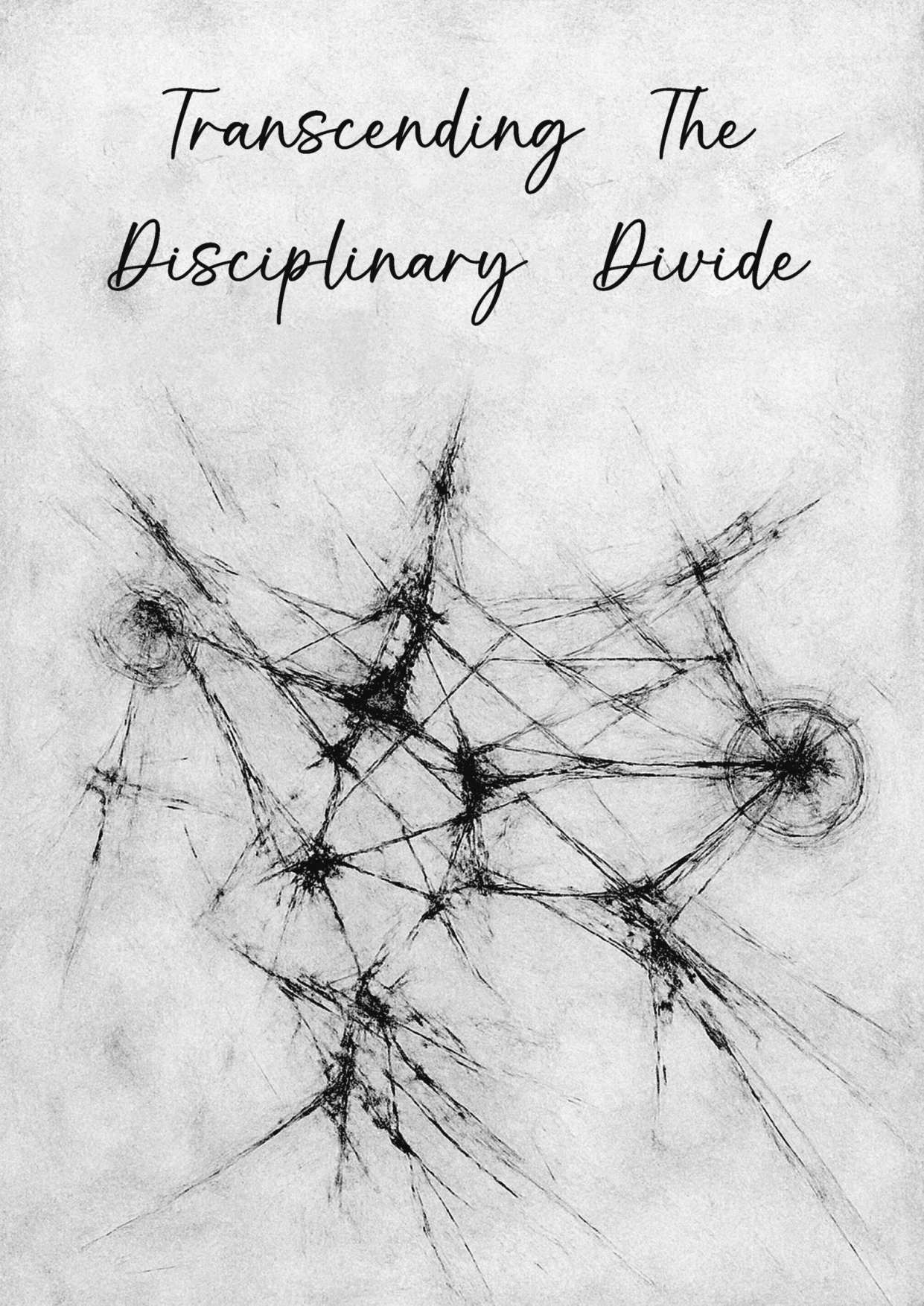
Transcending the Disciplinary Divide
Read PDF
Network Analysis Scopus Epistemology

Transcending the Disciplinary Divide

Digital Methods & Interactional Expertise

Investigating how digital methods can guide 'interactional expertise' to bridge gaps between distinct scientific disciplines.

Context

Interdisciplinary collaboration is crucial in post-normal science, yet experts often lack a shared language. We explored how to identify 'blind spots' between disciplines.

Methods

Co-occurrence network analysis of 1,500 Scopus articles on Bitcoin mining combined with qualitative expert group interviews with energy engineers.

Outcomes

Developed a method to visualize disciplinary heterogeneity, allowing Techno-Anthropologists to strategically target where 'bridges' need to be built between experts.
Wegovy: a matter of fa(c)t?
Read PDF
Digital Methods Controversy Mapping ANT

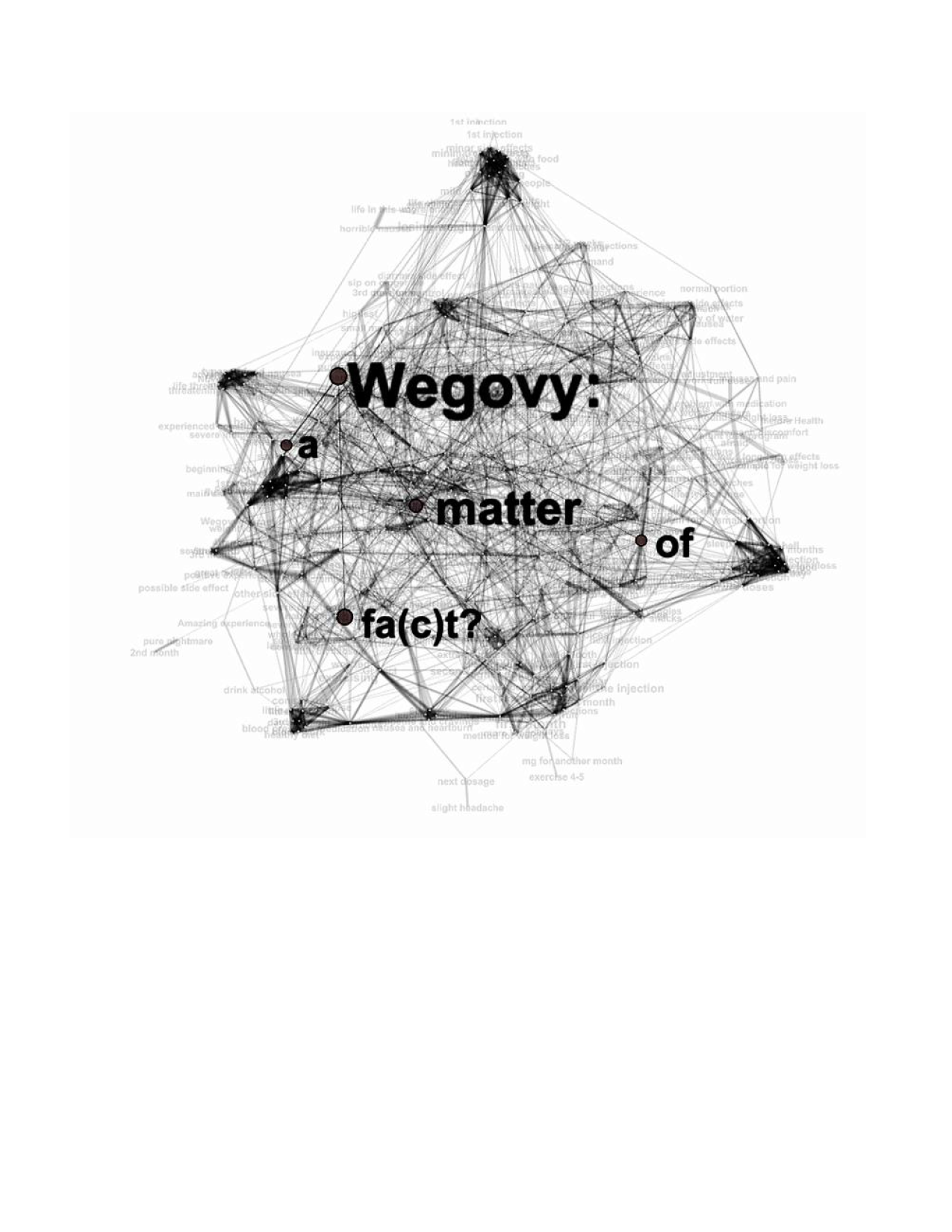
Wegovy: a matter of fa(c)t?

A Digital Ethnography

Tracing the socio-technical controversies of the weight-loss drug Wegovy across six different digital platforms.

Context

Wegovy is not just a medical molecule; it is a cultural phenomenon intervening in concepts of body image, economics, and health policy.

Methods

Scraped 150,000+ data points from Reddit, X, Mumsnet, and Scopus. Applied Actor-Network Theory (Latour's 'Matters of Concern') and network visualization.

Outcomes

Mapped how the 'fact' of Wegovy mutates across platforms—from a financial asset on X to a lifestyle struggle on Mumsnet—revealing it as a heterogenous network rather than a singular product.

Den sorte boks i den hvide verden
Read PDF
Praxiography Clinical AI Healthcare

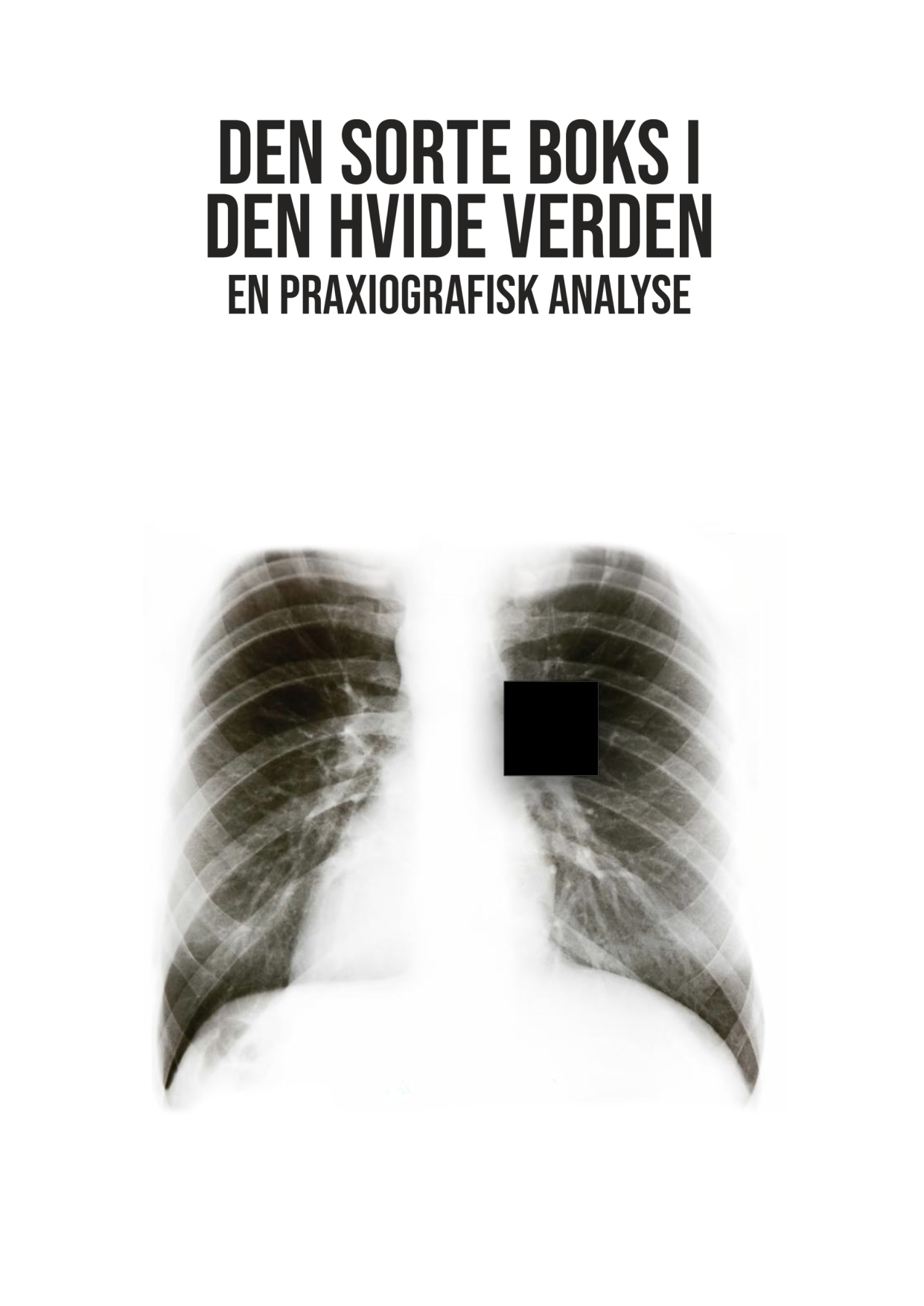
Den sorte boks i den hvide verden

AI in Radiology: A Praxiographic Analysis

An investigation into how Artificial Intelligence is practiced differently by developers, administrators, and clinicians.

Context

AI is often presented as a solution to healthcare pressure, but 'AI' means different things to a hospital director vs. a radiologist.

Methods

Praxiography (Annemarie Mol) based on interviews with actors from RAIT, Radiobotics, and Herlev-Gentofte Hospital.

Outcomes

Identified conflicting 'logics' (Market vs. Professional vs. Administrative). Developed a translation tool to help stakeholders align their expectations of AI implementation.

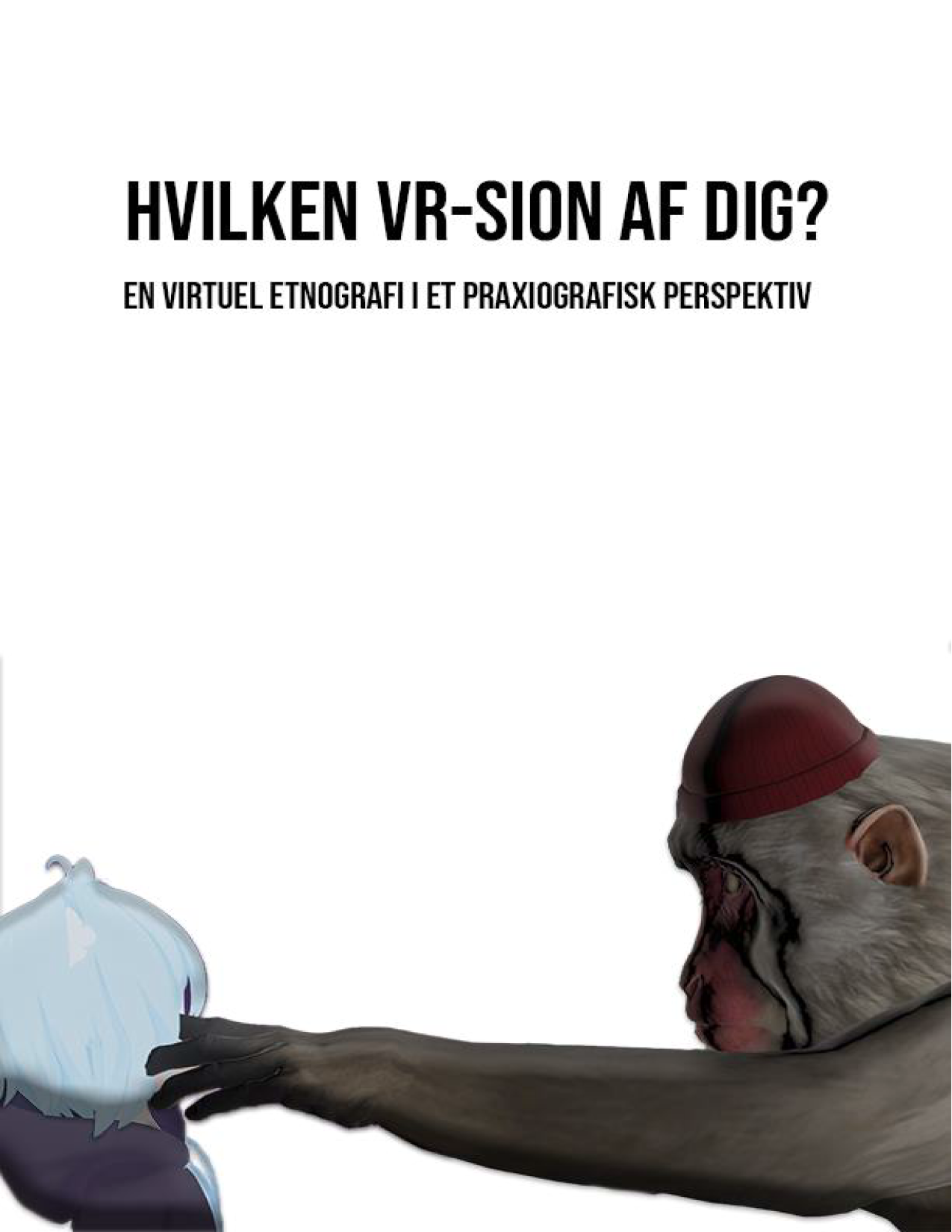
Hvilken VR-sion af dig?
Read PDF
Virtual Ethnography Postphenomenology Identity

Hvilken VR-sion af dig?

Virtual Ethnography in VRChat

Exploring how social identity and bodily experience are reconstructed inside the virtual worlds of VRChat.

Context

Social VR is not just a game but a space for identity formation, particularly for socially marginalized individuals.

Methods

Avatar-based ethnography and interviews within VRChat, analyzed through Verbeek’s postphenomenological framework.

Outcomes

Documented the phenomenon of 'Phantom Touch' and how users leverage virtual anonymity to perform and eventually integrate new aspects of new identity traits.

Så kører bussen, selv
Read PDF
Autonomous Vehicles Citizen Summit PTA

Så kører bussen, selv

Participatory Technology Assessment

A democratic assessment of self-driving buses, focusing on trust, safety, and social accessibility.

Context

The transition to autonomous public transport is often driven by technology, overlooking the social reality of the passengers.

Methods

Organized a 'Citizen Summit' (Borgertopmøde) combined with expert interviews (Movia, Holo) to facilitate democratic debate.

Outcomes

Concluded that passengers prioritize flexibility and cybersecurity over futuristic 'pods', recommending a gradual implementation strategy to build social trust.

Meningstilskrivelser af plantebaseret kød
Read PDF
Food Studies Mixed Methods Stigma

Meningstilskrivelser af plantebaseret kød

Understanding Stigmatization

Investigating the social stigma surrounding plant-based meat alternatives among Danish consumers.

Context

Despite climate goals, young Danes struggle to change dietary habits. We investigated the social friction of ordering 'fake meat'.

Methods

Mixed methods approach utilizing a quantitative survey (n=954) and qualitative semi-structured interviews.

Outcomes

Found a correlation between diet type and felt stigmatization. Omnivores associate meat with 'tradition' and 'masculinity', creating a social barrier for adopting plant-based alternatives.